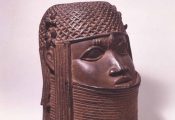
Africa before Transatlantic Enslavement
The history of Africa and African people does not begin nor end with transatlantic slavery. Understand what Africa was like and what the continent lost as a result of the trade.

Atlantic Crossing
Understand how people were treated on the slave ships and the extent to which they suffered on the journey across the Atlantic Ocean...

Diaspora
The transatlantic slave trade was the largest forced migration of people in history. Understand how this migration has affected societies, cultures and the world we live in...

Emancipation
Understand how the 1807 Abolition Act ended the British involvement in the slave trade but not slavery, how British women pushed for full...

Europe before Transatlantic Slavery
Understand social and cultural aspects of Europe to contextualize the impact of the transatlantic slave trade on this part of the continent.

Legacies
Understand how the 1807 Abolition Act ended the British involvement in the slave trade but not slavery, how British women pushed for full...

Plantation Conditions
Understand the harshness of daily life on the plantations, the oppression used to exert control, and the profits...
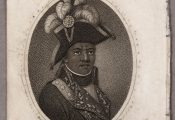
Resistance and Rebellion
Understand how the enslaved actively resisted and rebelled at every stage of oppression including uprisings on board ship, forming their own communities and maintaining cultural...

The Campaign for Abolition
Understand the forces that led to abolition, the resistance and rebellion on the part of the enslaved, and the...

Trade and Commerce
Understand how the demand for luxury goods and the Industrial Revolution fuelled the transatlantic slave trade, and how the British...